It is widely understood that one of the key factors in corrosion control/prevention is the use of Protective Coatings and Linings. While stricter VOC (volatile organic compounds) regulatory restrictions have driven innovation and product development to create much lower VOC footprint of coatings and linings, the VOC content is only part of the environmental and sustainability impact story. It could be argued that VOC content is a much smaller part than the surface preparation, application processes and that this includes, with regards to environmental and sustainability impacts. Even project specifications play a role impacting environmental and sustainability issues.
The True Cost of Protecting Infrastructure
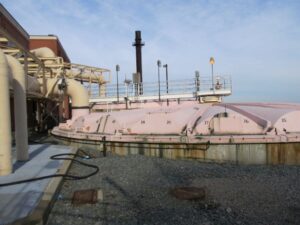
Every project, whether a bridge, power plant, water or wastewater treatment facility, a pipeline and every other industrial project, requires the surfaces to be coated to be prepared and a protective coating or lining installed. These processes require an enormous expenditure of energy and resources. The most critical aspect of any new or rehabilitation project is to “DO IT RIGHT THE FIRST TIME”. Here is a basic, step by step list of every aspect of any industrial protective coating & lining project.
- Preparing the site for construction (new Projects) planning, zoning, moving earth, preparing foundations, manufacturing/fabrication and delivering of building materials, and all the associated labor and equipment.
- Erection of the structure (steel or concrete) and all the associated labor and equipment.
- Erection of safety and access structures such as containment and scaffolding
- Mobilization of industrial coating & lining equipment, materials and labor. Abrasive blasting equipment, materials handling equipment, heating/dehumidification equipment, coating application equipment etc. Sometimes hundreds if not thousands of gallons of coatings/linings, all which may include multiple truckloads of items. The larger the project the larger the equipment/material/labor requirements.
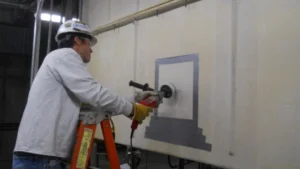
- The process of abrasive blasting the surfaces, the abrasive media material, the energy required for the process and the cleanup and disposal of the spent abrasive and waste byproduct, (old coatings, sometimes containing toxic elements like lead)
- The manufacturing process for the protective coating products including mining, processing and shipping the raw materials. Manufacturing of the products, shipping, handling of the products through multiple channels to reach the job site.
- The application process of 1, 2, 3 or 4 coat systems and in some cases, for more severe applications, much more multi-step complex systems. Also, the repair and remediation of the substrate on rehabilitation projects.
- After the application process the containment and environmental controls must be left in place and operational until the final cure of the coating/lining. The curing process could be anywhere from 3- 7 days or longer depending on geographical location, season and product used.
- Site cleanup, including dismantling of containment and scaffolding, removal and disposal of all waste, demobilization of all the equipment used during the process.
- Final commissioning or re-commissioning of the asset.
An entire page could have been written about each step. We hope you get the point. This entire process includes a massive amount of energy output, alk which has an environmental impact. This is why DOING IT RIGHT THE FIRST TIME, is so critically important. Projects properly completed using the right products and processes and having a well-funded and operational preventive maintenance program, will always lead to the longest possible lifecycle of the asset until it requires rehabilitation again.
Environmental and Sustainability Impact
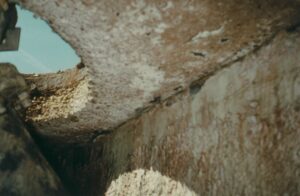
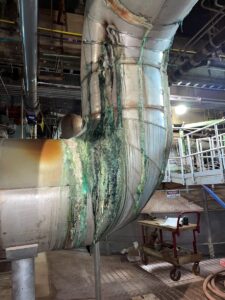
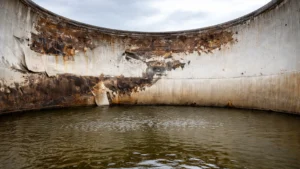
How does “doing it right the first time” affect environmental and sustainability? The cost of a failure and subsequent repair, can often cost more than the original application. Especially when failure investigations and laboratory analysis are added to the cost. The repair also will include removing the failing materials, then having to going through the entire process again with similar costs as listed above. This is not including any down time, bypass costs or legal cost for litigation if the case is disputed. Failures are extremely disruptive and costly, creating more than twice the environmental impact.
The Financial Impact
Quality cost more than non-quality, everyone should understand this. High quality items should always outperform value engineered items. A Rolex should last for a virtual lifetime if properly cared for, while a cheap dollar store watch may only last until the first time it gets bumped, or a little wet. Hiring the best possible consultant, specification writer and contractor will cost more that corner cutting inexperienced options. Doing it right the first time will cost more in up front capital, that is a given. However, when amortized over the extended lifecycle achieved by doing it right the first time, the right way is always the cheapest way. I am sure there have been exceptions, however we are not aware of any. Doing it right the first time also extends the asset lifecycle to first maintenance (sustainability) and drastically reduces future environmental impact.
How Specifications Impact Environmental and Sustainability
Poor or insufficiently detailed specifications are often major contributors to failures. Whenever a specification fails to make “doing it right the first time” a priority, it has the potential for negative environmental and certainly sustainability impact. We still see specifications with lacking or nonexistent Quality Control (QC) language and direction, lack of Quality Assurance (QA) oversight at the field and shop coating stages, lack of details surrounding contractor qualifications (AMPP QP Program), poor design characteristics (dissimilar metals, termination/construction details etc.) and improper/insufficient surface preparation and coating dry film thickness (DFT) direction. Any of which can contribute to a failure, or at the very least shortening lifecycle possibilities. Why do we so often not have the resources to do it right, but can get the resources to do it again? It does not need to be this way.
Conclusions
When it comes to controlling/preventing corrosion using Protective Coatings and Linings, doing it right the first time is the best way to increase sustainability and lessen the impact on the environment. It will certainly cost more at the time but will always be the most cost-effective way in the long run. It is the ultimate way to address environmental and sustainability impact.